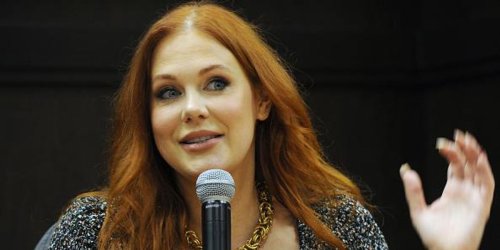
Maitland Ward didn’t leave Hollywood. Hollywood reshaped her.
Once known for her role as Rachel on The Bold and the Beautiful and earlier as a wholesome Disney Channel star on Boy Meets World, Ward has since become one of the most candid voices about the underbelly of child stardom. Her transition from teen actress to outspoken critic—and later, adult film performer—has made her a lightning rod. But her most important message isn’t about career choices. It’s about exploitation.
In multiple interviews and her memoir Better Me, Ward laid bare a truth many suspected but few insiders confirmed: young actors in Hollywood weren’t nurtured. They were managed like assets in a factory system designed to extract value, not develop people.
The Disney Machine: Fame Without Support
Disney has long cultivated an image of family-friendly innocence. But behind the squeaky-clean branding lies a complex engine that grooms, markets, and monetizes youth.
Ward has described her early years on Boy Meets World as creatively stifling and emotionally isolating. “You’re told what to wear, what to say, how to smile,” she said in a 2022 interview. “You’re not an artist. You’re a product on a shelf.”
This isn’t unique to Disney. Networks, studios, and agencies often treat child stars as short-term investments. Their peak earning window is narrow—typically ages 10 to 16—so the pressure to produce content rapidly is immense. The result? A conveyor-belt approach to youth entertainment.
Consider the daily routine of a young Disney actor: - 12+ hour filming days - On-set tutors replacing traditional schooling - Public relations training over emotional counseling - Strict image control, including social media and dating
There’s little room for personal growth. The focus is on output: episodes shot, merchandised names, concert tours sold.
Ward recalls being discouraged from pursuing acting classes outside the network. “They didn’t want us developing our craft. They wanted consistency. Predictability.”
That predictability, she argues, is the hallmark of productization—not artistry.
When the Factory Rejects You
The moment a young actor no longer fits the mold—due to puberty, voice changes, or shifting audience tastes—they’re often discarded.
Ward was let go from Boy Meets World when the show pivoted to focus on Cory’s younger brother, Eric. Overnight, her role vanished.
“I was 21, had no college degree, and had spent my entire adolescence on a studio lot,” she said. “And suddenly, I was invisible.”
She’s not alone. Disney alumni like Jamie Lynn Spears, Dylan and Cole Sprouse, and Demi Lovato have all spoken about the difficulty transitioning out of child stardom. The system doesn’t prepare them for life after fame—it often actively prevents it.
Many child actors aren’t taught financial literacy. Trusts are mismanaged. Pay is often below union minimums due to legal loopholes like the Coogan Law’s inconsistent enforcement. Mental health support is rare.
The outcome? A disturbing pattern: young stars burn out, spiral, or disappear.
From Product to Person: Ward’s Reinvention
What sets Maitland Ward apart isn’t just her critique—it’s her reclaiming of agency.
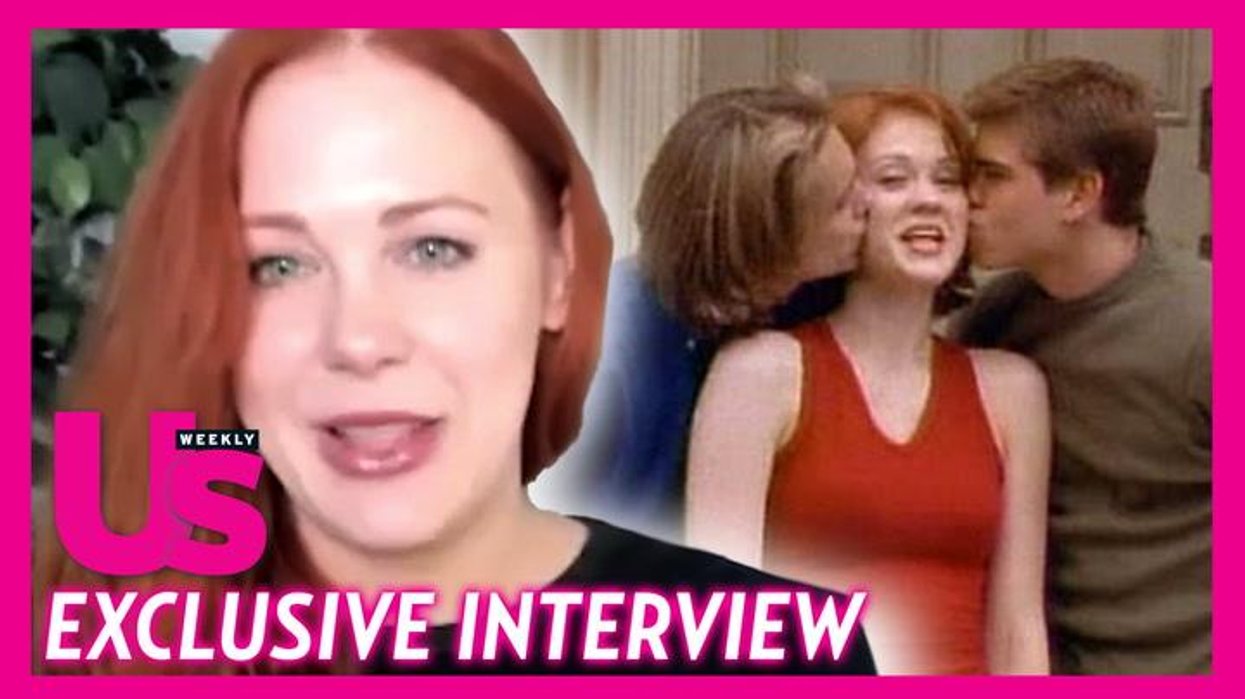
In 2019, she made headlines by joining the adult film industry—a move met with shock, judgment, and, eventually, widespread respect for her transparency.
She didn’t enter the space impulsively. After years of failed mainstream auditions, she studied the adult industry like a business analyst. She learned about content ownership, direct-to-consumer platforms, and performance rights. She discovered something radical: more creative control, better pay, and clearer contracts than she’d ever seen in traditional Hollywood.
“In mainstream film, I was told how to stand, how to speak, how to look,” Ward said. “In this industry, I’m the director, producer, and star of my work. I own my content. I decide what I do.”
She wasn’t glorifying the adult industry. She was exposing the hypocrisy of a system that shames performers while silently profiting from their youth and image.
Her experience underscores a deeper truth: the problem isn’t which industry you work in. It’s whether you’re treated as a person or a product.
The Illusion of Protection in Child Stardom
Hollywood touts protections for child actors: Coogan accounts, set tutors, limited working hours. But enforcement is spotty, and loopholes abound.
For example: - The Coogan Law (California) requires 15% of a child actor’s earnings to be placed in a trust. But the rule doesn’t apply universally—many parents or guardians still access funds illegally. - On-set educators are required, but the quality varies. Some tutors are unqualified or overburdened with multiple students across productions. - Work hour limits exist, but they’re routinely bent. Ward described days that stretched past midnight, especially during sweeps week or season finales.
Ward has called for mandatory financial education for young performers and their guardians. “We’re expected to earn six figures before we can drive, but we’re never taught how to manage a checking account.”
She also advocates for psychological onboarding—routine mental health check-ins during long shoots. “We wouldn’t send an astronaut into space without a support team. Why do we send 12-year-olds into fame alone?”
Hollywood’s Double Standard on Female Stars
Ward’s journey highlights a gendered double standard in the industry.
Male former child stars like Zac Efron or Jake Gyllenhaal are lauded for “maturing” into serious actors. Female stars, especially those who express sexuality on their own terms, are often stigmatized.
When Ward transitioned into adult films, headlines called her a “fallen Disney star.” When male stars take on erotic roles in mainstream cinema—think James Franco or Armie Hammer—no such judgment follows.
“The minute a woman owns her sexuality, she’s degraded,” Ward noted. “But when studios profit from our innocence for years, then discard us when we age out, they act shocked when we find another way.”
This double standard reinforces the product model: young female stars are valuable only as long as they’re palatable to a conservative audience.
Once they grow up, they’re no longer “safe.” And if they try to reclaim power on their own terms? They’re labeled damaged.
It’s a lose-lose cycle that Ward refuses to play into.
Reimagining the System: What Real Change Looks Like
Ward’s story isn’t just a cautionary tale. It’s a blueprint for reform.

- She’s proposed several structural changes to protect young performers:
- Mandatory financial literacy programs before contracts are signed
- Independent advocates for minors on set, separate from parents or agencies
- Long-term career counseling, not just PR coaching
- Strict penalties for Coogan account violations
- Mental health support embedded in production schedules
She also supports stronger union oversight. SAG-AFTRA has protections in place, but enforcement is inconsistent. Ward believes unions should have the power to audit productions and suspend those violating child labor standards.
Some progress is being made. In 2023, California expanded protections for child influencers—a growing category not covered by traditional child labor laws. But film and television still lag.
The key, Ward argues, is shifting the mindset: “Stop seeing kids as revenue generators. Start seeing them as humans with futures.”
Why Her Message Resonates Beyond Hollywood
Ward’s critique isn’t just about Hollywood. It’s about any system that commodifies youth.
Social media influencers, child beauty pageants, reality TV—these industries also profit from young people while offering little long-term support.
Teen TikTok stars earning millions often lack contracts, financial planning, or emotional safeguards. Some burn out by 18.
Ward’s experience acts as a warning: fame without infrastructure leads to collapse.
Parents, agents, and platforms have a responsibility. Fame should not come at the cost of a childhood—or a future.
A New Model for Young Performers
Maitland Ward didn’t break the system. She outsmarted it.
By understanding the business side of performance, she turned her brand into an asset she controls. She negotiates her own deals, markets her content, and speaks openly about pay rates and working conditions.
She’s also mentoring other performers—especially women—on how to protect themselves in high-pressure industries.
Her journey proves that young actors don’t have to be victims of the factory. But the burden shouldn’t be on individuals to escape exploitation. The industry must change.
Until then, Ward’s voice remains one of the clearest in a system built on silence.
FAQ
Why did Maitland Ward leave mainstream acting? She struggled to find roles after being let go from Boy Meets World, faced typecasting, and found more creative control and fair pay in the adult film industry.
What does Maitland Ward mean by 'Hollywood factory'? She uses the term to describe how young actors are processed like products—controlled, marketed, and discarded when no longer profitable.
Did Disney provide support for young actors like Maitland Ward? While Disney offered on-set tutors and basic protections, Ward says emotional, financial, and career development support were severely lacking.
How are child actors paid in Hollywood? They’re paid per episode or day rate, with 15% required to go into a Coogan trust. However, enforcement is weak, and many families misuse the funds.
Is Maitland Ward critical of Disney specifically? She criticizes the broader Hollywood system, but her experiences on Disney-affiliated shows like Boy Meets World shaped her views on youth exploitation.
What has Maitland Ward done since leaving Disney? She transitioned into adult films, became an advocate for performer rights, and authored the memoir Better Me, detailing her journey.
Can child actors avoid being treated like products? With strong parental guidance, legal advocacy, financial education, and union support, it’s possible—but the system still favors exploitation over protection.
FAQ
What should you look for in Maitland Ward on Hollywood’s Treatment of Young Stars? Focus on relevance, practical value, and how well the solution matches real user intent.
Is Maitland Ward on Hollywood’s Treatment of Young Stars suitable for beginners? That depends on the workflow, but a clear step-by-step approach usually makes it easier to start.
How do you compare options around Maitland Ward on Hollywood’s Treatment of Young Stars? Compare features, trust signals, limitations, pricing, and ease of implementation.
What mistakes should you avoid? Avoid generic choices, weak validation, and decisions based only on marketing claims.
What is the next best step? Shortlist the most relevant options, validate them quickly, and refine from real-world results.