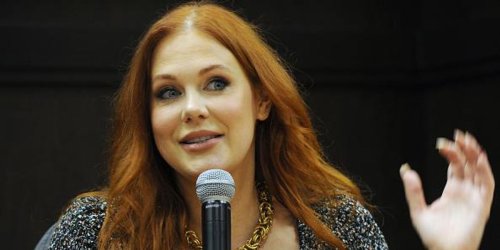
The spotlight rarely shines without strings attached. For one former girl group singer discovered by the creative force behind the Pussycat Dolls, the glitz of fame came with a demand that still stings: performing in underwear she never wanted to wear. Now, years after stepping off the stage, she’s breaking her silence—exposing a culture of control, sexualization, and the uncomfortable line between performance and exploitation.
Her story isn’t unique. But it’s rare to hear it told so plainly, with the clarity that only time and distance can offer.
The Pussycat Dolls Blueprint: Glamour
With a Cost
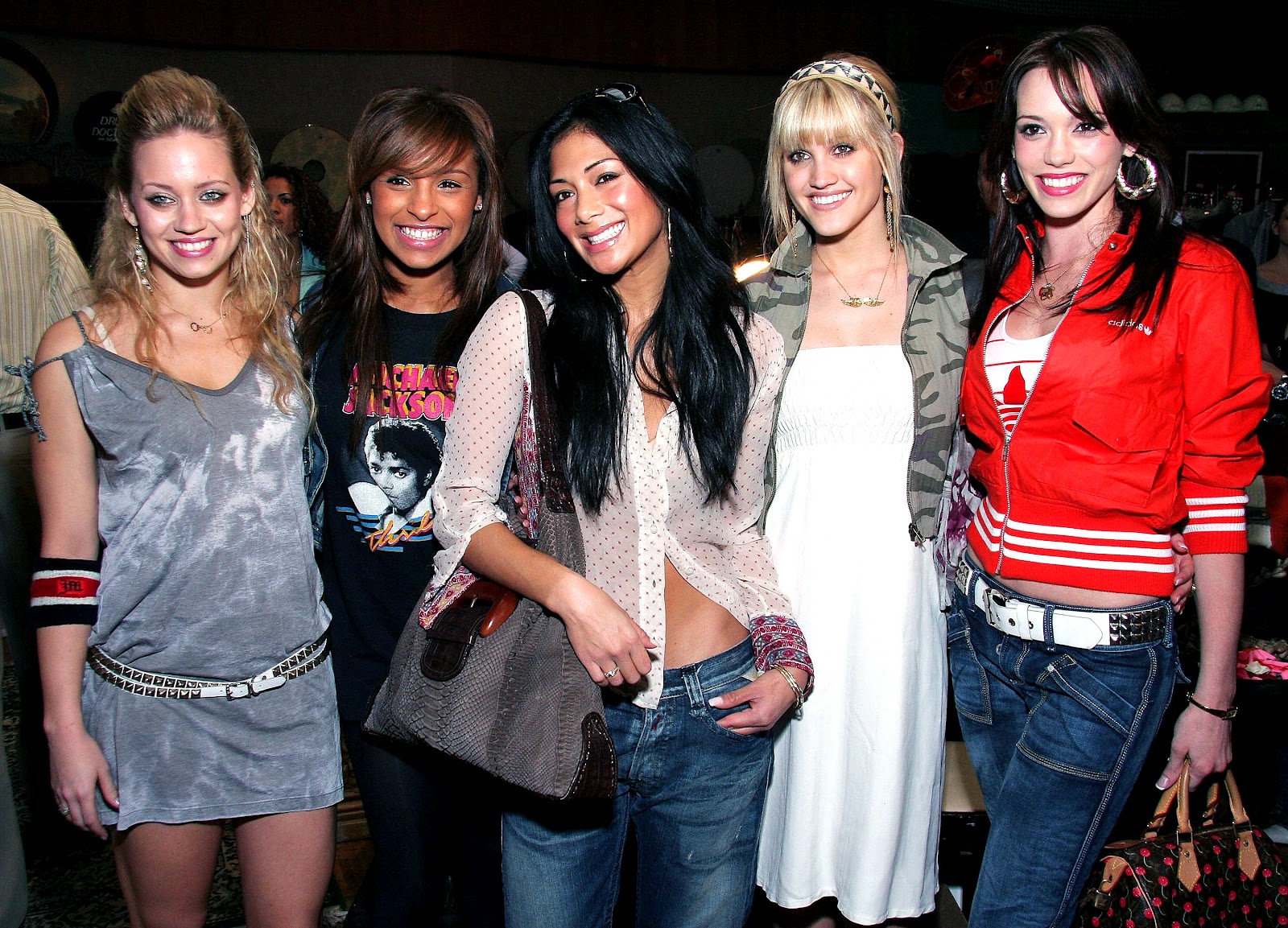
The Pussycat Dolls weren’t just a music group—they were a brand built on choreography, glamour, and controversy. Created by Robin Antin, the group began as a burlesque troupe before evolving into a chart-topping pop act. Their aesthetic was unmistakable: fishnets, corsets, and barely-there costumes that turned heads and sparked debate.
That formula worked—massively. But it also set a precedent. New girl groups formed under Antin’s guidance, like Girlicious and G.R.L., inherited the same visual language: bodies as spectacle.
For one singer, who joined a group under Antin’s direction, the pressure to conform began immediately.
“They said it was part of the image,” she recalled. “That we needed to be ‘hot,’ ‘bold,’ and ‘unapologetic.’ But what they really meant was: ‘Look sexy, even if you don’t feel it.’”
At rehearsals, choreography was just one part of the routine. Costuming briefs were equally strict. Full coverage was off the menu. For certain performances, they were handed underwear-style bottoms with sheer panels, minimal fabric, and no regard for personal comfort.
“I wasn’t performing a burlesque number. I was singing. Dancing. But I was expected to do it in something I’d never wear in public, let alone on stage in front of millions.”
From Discovery to Discomfort: The Hidden Side of Girl Group Development
Being discovered by Robin Antin once meant instant access to the big time. Auditions were competitive. Talent mattered—but so did look, body type, and willingness to play the part.
The singer, who wishes to remain partially anonymous due to ongoing industry ties, was scouted at 18. She had vocal training, dance experience, and dreams of pop stardom. What she didn’t anticipate was the level of control over her body.
“We were told what to eat, how to move, how to smile. And that extended to what we wore. If you pushed back, you were labeled ‘difficult.’ If you complied, you got more stage time.”
She describes rehearsals where costume changes were frequent, and feedback often focused more on cleavage and leg exposure than vocal blends or stage presence.
“They’d say, ‘This skirt lifts better,’ or ‘Can we go lower on the back?’ It wasn’t about artistry. It was about optics.”
This wasn’t just about fashion—it was about power. The message was clear: your value is tied to your appearance, and your appearance must fit the mold.
The Underwear Mandate: Performance or Exploitation?
The specific incident that still haunts her was a televised performance. The group was scheduled to perform a high-energy single, fully choreographed and vocally demanding. But days before, she was handed a new outfit: a sheer mesh bodysuit with only a thong-style bottom underneath.
“I asked if we could wear shorts under it. Just something to feel secure. They said no. ‘The look is the look,’ they told me.”
She complied—not because she agreed, but because she feared being replaced. “There were five girls at audition call-backs every week. You speak up, you’re out.”
On stage, she felt exposed—not in the empowering way the team claimed, but in a way that made her self-conscious and distracted. “I was more worried about the fabric shifting than hitting my notes.”
After the performance, she received mixed feedback: praise for her vocals, but also, “Great job owning the look.”
She didn’t feel like she owned it. She felt used.
Industry Patterns: Not Just One Group, Not Just One Era
This isn’t isolated to Antin’s projects. From the Spice Girls’ Union Jack dress debates to Fifth Harmony’s evolution from coordinated swimsuits to full fashion statements, female pop acts have long been scrutinized—and shaped—by their appearance.
But there’s a difference between choice and coercion.
In the 2000s and early 2010s, many girl groups were marketed less as musicians and more as eye candy. MTV, award shows, and music videos emphasized sex appeal. Record labels leaned into it. Choreography often highlighted hip movements, suggestive gestures, and revealing costumes.
Today, artists like Dua Lipa, BLACKPINK, and FLO still perform in bold outfits—but many now have creative control. They design or approve their looks. The power balance has shifted, slowly.
But for the generation before them, that control was rare.
“I didn’t have a stylist. I didn’t have a manager I could trust. Everything was filtered through the creative director, and the directive was always the same: sex sells.”
She’s not arguing against性感 performance. “I love performing. I love fashion. I’ve worn bold outfits before. But there’s a difference between choosing to wear something and being told you have to.”
Breaking the Silence: Why She’s Speaking Up Now
She waited years before going public. Not because she forgot. But because she was rebuilding.
After leaving the group—officially due to “creative differences,” though she now calls it “a breakdown in mental health”—she stepped away from music. Therapy helped. So did distance.
“I had to unlearn the idea that my worth was tied to how I looked on stage.”
Now, as a vocal coach and mentor to young performers, she’s seen the same patterns repeat.
“I had a 16-year-old student audition for a group last year. She came to me in tears because they wanted her to lose 10 pounds and wear ‘performance lingerie’ for the debut single. Nothing had changed.”
That’s when she decided to speak out. Not for revenge—but for prevention.
“If one girl hears this and feels less alone, or questions a costume that makes her uncomfortable, then it’s worth it.”
She’s not naming names, not suing, not calling for boycotts. But she’s drawing a line.
“Artistry should be celebrated. Bodies should be respected. And no young woman should feel like she has to trade her dignity for a shot at fame.”
The Bigger Picture: Reimagining Girl Group Culture
The music industry is changing—but not fast enough.
Streaming has democratized access. Social media lets artists build their own brands. And movements like #MeToo have challenged abusive power dynamics across entertainment.
Yet girl groups still face pressure to look a certain way. Auditions still prioritize appearance. And in some corners, the “Pussycat Dolls model” is still the default.
The solution isn’t to eliminate glamour or sensuality from performance. It’s to restore agency.
Artists like Beyoncé, Janelle Monáe, and Little Mix have shown that female groups can be powerful, sexy, and respected—all without sacrificing autonomy.
“Why can’t we have both?” she asks. “Great music and great style? Strong vocals and bold fashion—on our terms?”
She believes the future lies in education: teaching young performers about contracts, image rights, and mental health. And in mentorship—having former artists guide the next generation through the pitfalls they once faced.
What Can Be Done? Practical Steps for Change
Change starts with awareness—but it must be followed by action.
For young artists: - Ask questions before signing anything. Who controls your image? Who designs your costumes? - Seek independent representation. A personal manager or lawyer can balance creative control with label demands. - Know your worth extends beyond appearance. Vocal ability, stage presence, and work ethic matter more in the long run.
For industry professionals: - Involve performers in costume design. Let them try options, give feedback, and veto what makes them uncomfortable. - Prioritize safety and consent. No performer should feel pressured into wearing anything that compromises their dignity. - Normalize full-coverage performance wear. Not every act needs to be skimpy to be impactful.
For fans: - Support artists who speak out. Amplify their voices. - Criticize exploitative marketing. Call out promotions that reduce women to their bodies. - Celebrate artistry over aesthetics.
Final Note: A Performance Should Empower, Not Diminish
The singer still loves music. She still dances. But now, she does it on her terms.
She recently performed at a women’s empowerment event, wearing high-waisted pants, a cropped blazer, and sneakers—her choice, her power.
“I finally felt like I was performing as myself. Not a version of me someone else designed.”
Her message is simple: talent should lead. Creativity should guide. And no artist—no matter how young or new—should be told that their body is the main act.
The era of mandatory underwear performances should end. Not with scandal, but with sense.
Because every singer deserves to feel strong on stage—not just seen.
FAQ
Who discovered the singer that criticized the Pussycat Dolls creator? She was discovered by Robin Antin, the founder of the Pussycat Dolls, during an audition for a new girl group project in the late 2000s.
What kind of underwear was she pressured to wear? She was required to wear minimal, thong-style performance underwear under sheer or revealing costumes, often without the option of wearing shorts or liners for coverage.
Has Robin Antin responded to these allegations? As of now, Robin Antin has not publicly responded to this specific singer’s comments.
Did the singer leave the group because of the costumes? While the costumes were a major factor, she also cited mental health struggles and a lack of creative control as reasons for her departure.
Are other girl group members speaking out? Some former members of Antin-led groups have shared similar experiences about image pressure, though few have directly addressed the underwear issue.
Is this still happening in modern girl groups? While many current groups have more creative control, some emerging acts still face pressure to conform to revealing aesthetics, especially in highly commercialized markets.
What can young performers do to protect themselves? They should consult independent legal advice before signing contracts, advocate for involvement in image decisions, and work with trusted mentors who prioritize well-being over appearance.
FAQ
What should you look for in Girl Group Singer Slams Pussycat Dolls Creator Over Stage Underwear? Focus on relevance, practical value, and how well the solution matches real user intent.
Is Girl Group Singer Slams Pussycat Dolls Creator Over Stage Underwear suitable for beginners? That depends on the workflow, but a clear step-by-step approach usually makes it easier to start.
How do you compare options around Girl Group Singer Slams Pussycat Dolls Creator Over Stage Underwear? Compare features, trust signals, limitations, pricing, and ease of implementation.
What mistakes should you avoid? Avoid generic choices, weak validation, and decisions based only on marketing claims.
What is the next best step? Shortlist the most relevant options, validate them quickly, and refine from real-world results.